
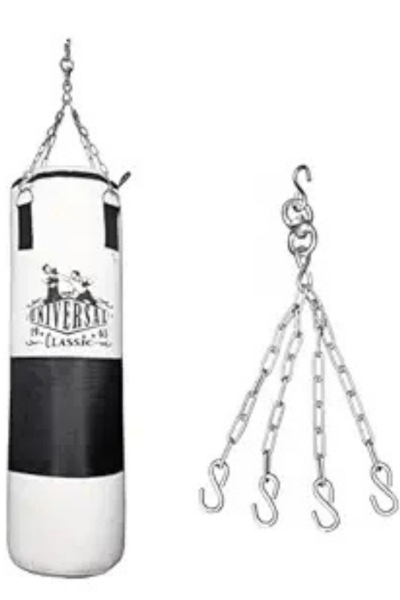
Training regularly with a boxing heavy bag improves power, speed and technique, making it essential for any serious boxer’s workout routine.
Best Boxing Heavy Bag USI UNIVERSAL Boxing Punching Bag Classic 3 Feet
Original price was: ₹1,409.00.₹1,291.00Current price is: ₹1,291.00.
Description
The Ultimate Guide to the Boxing Heavy Bag
Boxing is a sport that demands strength, precision, endurance, and technique. One of the most essential tools for any boxer or fitness enthusiast is the boxing heavy bag. This versatile piece of equipment is a cornerstone in boxing training, allowing athletes to hone their skills, improve their power, and boost their cardiovascular fitness. This guide explores everything you need to know about the boxing heavy bag, from its benefits to its construction, types, and how to use it effectively.
What is a Boxing Heavy Bag?
At its core, a boxing heavy bag is a large, cylindrical bag filled with heavy materials such as sand, fabric, or water to provide resistance for punching and kicking. It is designed to withstand powerful strikes, making it ideal for training in boxing, kickboxing, and other combat sports.
The Purpose of a Boxing Heavy Bag
The primary goal of a boxing heavy bag is to simulate an opponent, allowing practitioners to practice punches, combinations, footwork, and defensive moves in a controlled environment. It enhances muscle strength, punching power, and technique while providing a cardiovascular workout.
The History of the Boxing Heavy Bag
The use of heavy bags in training can be traced back centuries. Ancient warriors and athletes used similar weighted bags to practice combat moves and build stamina. Modern boxing heavy bags have evolved significantly in terms of materials and design, but the core principle remains the same — to provide a sturdy, reliable training tool.
Types of Boxing Heavy Bags
When choosing a boxing heavy bag, understanding the various types is crucial. Each type caters to different training needs and styles.
Traditional Heavy Bags
Traditional boxing heavy bags are usually made of leather or synthetic materials and filled with sand, rags, or other dense materials. They vary in length and weight, typically ranging from 70 to 150 pounds. These bags are hung from the ceiling or a sturdy frame.
Features
-
Durable outer layer (leather or synthetic)
-
Dense filling for impact resistance
-
Suitable for power punches and kicks
Water-Filled Heavy Bags
Water-filled boxing heavy bags are a modern innovation designed to reduce the overall weight while maintaining resistance. They are filled with water, providing a more forgiving impact surface compared to sand-filled bags.
Features
-
Easy to fill and empty
-
Less dust and odor compared to sand bags
-
Adjustable firmness by varying water levels
Free-Standing Heavy Bags
Free-standing boxing heavy bags are popular for those who do not want to install ceiling mounts. They have a weighted base filled with sand or water, allowing mobility and ease of setup.
Features
-
Portable and easy to move
-
Suitable for home gyms or limited spaces
-
Often come with adjustable height settings
Construction and Materials of a Boxing Heavy Bag
Understanding the construction of a boxing heavy bag is essential to appreciate its durability and performance.
Outer Material
The outer shell of a boxing heavy bag is typically made from heavy-duty leather, synthetic leather (PU), or canvas. Leather bags are known for their longevity and natural feel, whereas synthetic leather offers durability and cost-effectiveness.
Leather
-
High durability
-
Comfortable to punch
-
Priced higher
Synthetic Leather
-
Water-resistant
-
Less expensive
-
Good for beginners
Canvas
-
Lightweight
-
Less durable
-
Often used for training bags
Filling
The filling determines the bag’s weight and resistance. Most boxing heavy bags use shredded fabric, sand, or a combination. Some premium bags use foam inserts for better shock absorption.
Sand Filling
-
Provides solid weight
-
Can harden over time
-
May cause uneven distribution
Fabric Filling
-
Softer impact
-
Even weight distribution
-
Lightweight compared to sand
Combination Filling
-
Balances weight and softness
-
Prevents hard spots
Benefits of Training with a Boxing Heavy Bag
Incorporating a boxing heavy bag into your training regimen offers numerous physical and mental benefits.
Improves Punching Power and Technique
Striking a heavy bag repeatedly strengthens the muscles used in punching and kicking. Practicing combinations on the boxing heavy bag refines form and timing.
Cardiovascular Conditioning
Boxing workouts on the heavy bag elevate the heart rate, improving endurance and overall cardiovascular health.
Stress Relief and Mental Focus
Hitting a boxing heavy bag allows for a productive release of stress. It also demands mental focus, enhancing concentration and coordination.
Builds Muscle and Burns Calories
Engaging multiple muscle groups, heavy bag training tones the arms, shoulders, core, and legs while providing an effective calorie burn.
How to Choose the Right Boxing Heavy Bag
Selecting the ideal boxing heavy bag depends on your goals, space, and training style.
Consider Your Training Goals
-
For power training, choose a heavier bag (100-150 lbs).
-
For speed and endurance, a lighter bag (70-100 lbs) may be preferable.
Space and Setup
-
Ceiling-mounted bags require secure overhead fixtures.
-
Free-standing bags work well for limited space or apartments.
Material and Durability
-
Invest in leather or high-quality synthetic bags for long-term use.
-
Beginners may opt for canvas bags for affordability.
Setting Up Your Boxing Heavy Bag
Proper installation of your boxing heavy bag ensures safety and effectiveness during workouts.
Mounting Options
Ceiling Mount
-
Secure to ceiling joists using heavy-duty chains and hooks.
-
Ensure the mounting hardware supports the bag’s weight.
Wall Mount
-
Use a sturdy wall bracket for space-saving.
-
Check the strength of the wall before installation.
Free-Standing Base
-
Fill the base with sand or water.
-
Place on a flat, stable surface.
Essential Techniques for Heavy Bag Training
To maximize the benefits of a boxing heavy bag, learning proper striking techniques is crucial.
Basic Punches
-
Jab: A quick, straight punch with the lead hand.
-
Cross: A powerful straight punch with the rear hand.
-
Hook: A semi-circular punch thrown with the lead or rear hand.
-
Uppercut: A rising punch aimed at the opponent’s chin.
Combinations and Footwork
-
Practice combinations of punches to build fluidity.
-
Move around the bag to simulate real-fight scenarios.
Defense and Movement
-
Slip, duck, and weave while maintaining balance.
-
Use footwork to avoid the bag’s rebound.
Maintenance and Care for Your Boxing Heavy Bag
To extend the life of your boxing heavy bag, regular maintenance is important.
Cleaning the Surface
-
Wipe down with a damp cloth after each use.
-
Use mild soap for deeper cleaning.
Checking the Fill
-
Occasionally inspect the bag for uneven filling.
-
Refill or adjust as necessary to maintain shape.
Protecting the Mount
-
Inspect chains, hooks, and brackets regularly.
-
Replace any worn or damaged parts promptly.
Common Mistakes When Using a Boxing Heavy Bag
Avoid these pitfalls to ensure safe and effective workouts.
Overpowering Every Punch
Using excessive force can cause injury and reduce training efficiency. Focus on technique and control.
Neglecting Footwork
Standing still limits your mobility and realism. Move around the bag for dynamic training.
Ignoring Warm-Ups and Stretching
Proper warm-up reduces injury risk and improves performance.
Incorporating Boxing Heavy Bag Workouts into Your Routine
For optimal results, structure your workouts using the boxing heavy bag strategically.
Warm-Up
-
5-10 minutes of light cardio and dynamic stretching.
Training Rounds
-
3-minute rounds with 1-minute rest, similar to boxing matches.
-
Mix punches, combinations, and movement.
Cool-Down
-
Stretch muscles used during the session.
-
Practice deep breathing to lower heart rate.
Advanced Training Tips for Boxing Heavy Bag Users
Experienced users can elevate their training with these advanced techniques.
Interval Training
Alternate high-intensity punches with slower recovery periods to improve endurance.
Power Punch Drills
Focus on one punch type with maximum force for short bursts.
Incorporate Kicks
For kickboxing or MMA, add powerful kicks to your heavy bag routine.
Deep Dive into the Boxing Heavy Bag: Techniques, Training Plans, and More
Building on the foundational knowledge of the boxing heavy bag, this section explores more advanced techniques, detailed training plans, equipment accessories, and troubleshooting common issues. Whether you are an amateur boxer, fitness enthusiast, or professional athlete, understanding these elements will help you fully utilize the power of the boxing heavy bag.
Advanced Punching Techniques for the Boxing Heavy Bag
The boxing heavy bag is not only for beginners but also an ideal platform to practice advanced punches and combinations. Here are some refined techniques to integrate into your workouts.
Power Punches
Focusing on power punches using the boxing heavy bag helps develop knockout strength. These include:
-
The Cross: Drive your rear hand straight through the bag, rotating your hips and pivoting your back foot for maximum power.
-
The Hook: Rotate your torso and snap your arm around the bag, aiming to hit with the knuckles for impact.
-
The Uppercut: Drop your body slightly and explode upward into the bag, targeting the underside as if aiming for the chin.
Combination Punching
Real fights involve multiple punches strung together. Practice combinations on your boxing heavy bag such as:
-
Jab-Cross-Hook
-
Jab-Jab-Cross
-
Cross-Hook-Uppercut
This builds muscle memory and simulates realistic scenarios.
Defensive Movements
The boxing heavy bag also allows practicing slips, rolls, and ducks:
-
Slip by moving your head slightly left or right while maintaining punching rhythm.
-
Roll under imagined punches while maintaining balance.
-
Combine defensive movements with counter punches for fluidity.
Using the Boxing Heavy Bag for Conditioning and Endurance
Boxing is a sport demanding high cardiovascular endurance. The boxing heavy bag is an excellent tool for building this capacity.
High-Intensity Interval Training (HIIT)
Use the boxing heavy bag for HIIT sessions:
-
Perform 30 seconds of maximum effort punching.
-
Rest or lightly jog for 30 seconds.
-
Repeat for 10-15 rounds.
This intense training improves cardiovascular fitness and fat burning.
Endurance Rounds
Perform longer rounds on the boxing heavy bag, such as:
-
5 minutes continuous punching at a moderate pace.
-
Focus on maintaining form over time.
-
Build stamina and muscle endurance.
Footwork Drills
Move continuously around the boxing heavy bag while punching, simulating real fight movement to improve agility and endurance.
Developing Strength and Power with the Boxing Bag
The boxing heavy bag is a powerful tool for developing muscular strength, particularly in the upper body, core, and legs.
Power Punch Drills
Isolate each punch and throw it with maximum force into the bag, resting in between sets to recover. This builds explosive power.
Plyometric Movements
Integrate plyometrics such as jump squats or box jumps between rounds to enhance lower body power essential for delivering strong punches.
Core Conditioning
Use the boxing heavy bag to train your core by practicing rotational punches and maintaining a stable stance.
Customizing Your Boxing Heavy Bag Workout Plan
A personalized workout plan using the boxing heavy bag maximizes results based on your fitness level and goals.
Beginner Plan
-
Warm-up: 5 minutes light cardio and dynamic stretching.
-
3 rounds (3 minutes each) of basic punching combinations on the boxing heavy bag.
-
1-minute rest between rounds.
-
Cool-down: stretching and breathing exercises.
Intermediate Plan
-
Warm-up: 10 minutes of jump rope or running.
-
5 rounds of mixed punching combinations, power punches, and footwork drills on the boxing heavy bag.
-
Add 2 rounds of HIIT intervals.
-
Cool-down with core exercises and stretching.
Advanced Plan
-
Warm-up: 15 minutes cardio with dynamic stretches.
-
8-10 rounds of intense punching combinations on the boxing heavy bag with defensive movements.
-
Include power punch rounds and plyometric exercises.
-
Finish with shadow boxing and cool-down stretches.
Accessories to Enhance Your Boxing Heavy Bag Training
Several accessories can improve your experience and performance with a boxing heavy bag.
Boxing Gloves and Hand Wraps
Always wear gloves and wraps to protect your hands and wrists during heavy bag sessions.
Heavy Bag Stand or Mounting Kits
If ceiling mounting isn’t feasible, a heavy bag stand provides mobility and stability.
Timer and App Trackers
Use timers or fitness apps to structure rounds and track progress.
Weighted Gloves
Adding weighted gloves increases resistance, building greater arm strength over time.
Choosing the Right Location for Your Boxing Heavy Bag
The setup location affects your workout quality and safety.
Indoor Setup
-
Ensure sufficient ceiling height.
-
Choose a room with enough space to move around the bag.
-
Protect floors with mats if necessary.
Outdoor Setup
-
Use weather-resistant bags and mounts.
-
Ensure the bag is secured to a sturdy frame.
-
Consider the impact of weather on bag materials.
Troubleshooting Common Issues with Your Boxing Heavy Bag
Even the best boxing heavy bags require occasional troubleshooting.
Bag Swinging Excessively
If your bag swings too much:
-
Use heavier chains or shorter lengths.
-
Add stabilizing straps to reduce excessive movement.
Bag Losing Shape
-
Check for uneven filling.
-
Refill or redistribute stuffing.
-
Avoid over-punching in the same spot.
Odor and Hygiene Problems
-
Use a bag cover.
-
Clean regularly.
-
Allow the bag to air dry.
Boxing Heavy Bag Safety Tips
Avoid injuries and maximize workout benefits with safety in mind.
Proper Warm-Up and Cool-Down
Prepare your muscles and joints before heavy bag training.
Correct Technique
Focus on form to prevent wrist and shoulder injuries.
Use Protective Gear
Always wear gloves and wraps to protect your hands.
Avoid Overtraining
Allow rest days to prevent strain and fatigue.
How the Boxing Bag Fits into Mixed Martial Arts (MMA) Training
MMA fighters use the boxing heavy bag for striking skills beyond boxing.
Integrating Kicks and Knees
Practice various kicks and knee strikes on the bag for comprehensive striking development.
Clinch Work
Use the bag to simulate clinch control and strikes.
Psychological Benefits of Training with a Boxing Heavy Bag
Beyond physical benefits, the boxing heavy bag offers mental and emotional advantages.
Stress Reduction
Hitting the bag releases pent-up tension and promotes endorphin release.
Mental Focus and Discipline
Boxing requires focus, strategy, and rhythm, enhancing mental clarity.
Confidence Building
Mastering punches and combinations boosts self-esteem.
Boxing Bag for Fitness: Beyond Combat Training
Many non-boxers use the boxing heavy bag for general fitness.
Full-Body Workout
Engages arms, shoulders, core, and legs.
Calorie Burning
High-intensity bag work burns calories efficiently.
Functional Fitness
Improves coordination, balance, and agility useful in everyday life.
Comparing the Boxing Heavy Bag to Other Training Tools
Speed Bags vs. Boxing Bag
Speed bags focus on hand-eye coordination and rhythm, whereas the boxing heavy bag builds power and endurance.
Double-End Bags vs. Boxing Heavy Bag
Double-end bags improve timing and reflexes; heavy bags develop strength and technique.
Investing in Quality: What to Look for When Buying a Boxing Heavy Bag
Material Quality
Leather vs. synthetic and durability.
Weight and Size
Tailored to your training needs.
Warranty and Brand Reputation
Look for brands with positive reviews and guarantees.
How to Make Your Own Boxing Bag
For DIY enthusiasts, making a boxing heavy bag at home can be rewarding.
Materials Needed
-
Durable outer shell (canvas or old leather jacket)
-
Filling (sandbags, fabric scraps)
-
Heavy-duty chains or straps for hanging
Construction Steps
-
Sew the outer shell securely.
-
Fill evenly for balanced weight.
-
Attach mounting hardware.
Famous Boxers and Their Use of the Boxing Bag
Boxers like Muhammad Ali, Mike Tyson, and Floyd Mayweather have famously incorporated the boxing heavy bag into their legendary training routines.
-
Ali’s footwork and endurance drills on the heavy bag.
-
Tyson’s explosive power punching.
-
Mayweather’s precision and speed training.
-
Maximizing Your Heavy Bag Training: Tips, Drills, and Recovery
Training with a boxing heavy bag is a demanding yet rewarding experience. To truly maximize its benefits, incorporating smart training techniques, recovery strategies, and mindset approaches is essential. This section covers tips and drills to get the most out of your boxing heavy bag, along with advice on recovery and injury prevention.
Essential Tips for Effective Boxing Bag Training
Getting the most from your boxing heavy bag requires more than just throwing punches. Here are some key tips to ensure productive and safe sessions.
Warm Up Thoroughly Before Training
Before hitting the boxing heavy bag, spend 5–10 minutes warming up your body. This prepares your muscles and joints, reducing injury risk. Simple activities like jogging, jump rope, or dynamic stretching get your heart rate up and loosen stiff muscles.
Use Proper Technique Over Power
It’s tempting to hit the boxing heavy bag as hard as possible, but power without technique can cause injury and limit progress. Focus on form, balance, and proper alignment of your wrists, elbows, and shoulders while punching.
Vary Your Punches and Combinations
Avoid repetitive movements that can strain muscles. Mix up jabs, crosses, hooks, and uppercuts. Practice combinations that mimic real fight scenarios, and include defensive movements like slipping and weaving to enhance coordination.
Maintain Footwork and Movement
Don’t stand still in front of the boxing heavy bag. Move laterally, circle the bag, and practice quick pivots. Good footwork develops agility and helps simulate a real opponent’s movement.
Control Breathing
Breathing steadily during heavy bag workouts helps maintain stamina. Exhale sharply when throwing punches and inhale during recovery moments. Proper breathing also aids muscle oxygenation.
Drills to Enhance Boxing Bag Performance
Variety is the key to improving with the boxing heavy bag. Below are several effective drills designed for different aspects of training.
Power Punch Drill
-
Warm up with light punches for 2 minutes.
-
Follow with 10 sets of 10 power punches (choose one punch type).
-
Rest 30 seconds between sets.
-
Focus on explosive, well-coordinated punches.
Speed and Endurance Drill
-
Perform continuous jabs for 1 minute at a fast pace.
-
Follow with 1 minute of rest.
-
Repeat for 5-8 rounds.
-
This develops hand speed and cardiovascular endurance.
Combination Drill
-
Select 3-5 punch combinations (e.g., jab-cross-hook).
-
Perform combinations continuously for 3 minutes.
-
Rest 1 minute.
-
Repeat 3-5 times.
-
Focus on smooth transitions and maintaining rhythm.
Defensive Movement Drill
-
Incorporate slipping, ducking, and rolling between punches.
-
Practice moving around the bag while throwing counter punches.
-
This drill improves defensive skills and fluidity.
How to Incorporate the Boxing Heavy Bag into Cross-Training
The boxing heavy bag can be integrated into various fitness programs, adding a dynamic element to strength training, cardio, and flexibility routines.
Boxing Heavy Bag and Strength Training
Alternate rounds on the heavy bag with strength exercises like push-ups, pull-ups, and squats. For example:
-
Round 1: 3 minutes boxing heavy bag.
-
Round 2: 1 minute push-ups.
-
Repeat for 4–6 circuits.
This approach builds muscular endurance and explosive power.
Heavy Bag and Cardio
Combine jump rope or running intervals with heavy bag rounds to boost cardiovascular fitness. For instance:
-
2 minutes jump rope.
-
3 minutes boxing heavy bag.
-
1-minute rest.
-
Repeat for 5 rounds.
This elevates heart rate and burns calories efficiently.
Boxing Bag and Flexibility
Post heavy bag workouts, spend 10–15 minutes stretching your shoulders, arms, hips, and legs. Increased flexibility helps prevent injuries and improves punching range.
Recovery and Injury Prevention for Heavy Bag Users
Training hard with the boxing heavy bag demands smart recovery habits to avoid overuse injuries and keep performance high.
Rest and Recovery Days
Schedule rest days in your training week to allow muscles and connective tissues to repair. Overtraining can lead to fatigue and injuries.
Ice and Compression
After intense sessions, apply ice packs to sore areas or use compression sleeves for the wrists and elbows to reduce inflammation.
Hand and Wrist Care
Always wrap your hands properly before wearing gloves. Strengthen wrists with exercises like wrist curls and rotations to improve stability.
Listen to Your Body
Pain is a warning sign. If you experience persistent discomfort or sharp pain, reduce training intensity and seek professional advice.
Common Mistakes to Avoid with the Boxing Bag
Awareness of common pitfalls ensures safer and more effective workouts with the boxing heavy bag.
Punching Too Hard Without Technique
Power is important but should never come at the expense of form. Incorrect technique increases injury risk and wastes energy.
Neglecting Footwork and Defense
Treating the heavy bag like a stationary target limits your skill development. Incorporate movement and defensive drills.
Skipping Warm-Up and Cool-Down
Failing to prepare your body before or relax muscles after training increases injury risk.
Using Worn-Out Gloves or Wraps
Old gloves lose padding and can contribute to hand injuries. Replace them regularly.
How to Choose the Right Boxing Bag for Your Needs
Selecting a heavy bag involves several considerations beyond just price.
Weight
-
Beginners typically benefit from 70–100 lb bags for speed and endurance.
-
Heavyweights and power trainers may choose bags 100+ lbs for resistance.
Material
-
Leather bags offer durability and a premium feel.
-
Synthetic leather and canvas are cost-effective and weather-resistant.
Size and Length
-
Standard heavy bags are 3–4 feet long.
-
Taller users or kickboxers might prefer longer bags (5+ feet) to practice kicks.
Filling
-
Fabric-filled bags offer a softer impact.
-
Sand-filled bags provide firmer resistance but can develop hard spots.
Mounting Style
-
Ceiling mounts offer stability but require installation.
-
Free-standing bags are portable but may shift on impact.
Enhancing Boxing Heavy Bag Training with Technology
Modern tech tools make boxing heavy bag training more efficient and trackable.
Wearable Sensors and Apps
Some devices track punch count, speed, and power, providing real-time feedback to improve technique.
Timer Apps
Apps designed for boxing rounds help structure workouts with customizable intervals and rest periods.
Video Analysis
Recording your sessions allows you to review form and make adjustments.
Boxing Bag for Kids and Beginners
Starting young or as a novice on the requires special cons.
Size and Weight
Choose lighter bags (40–70 lbs) for children and beginners to avoid injury and build confidence.
Supervised Training
Ensure proper instruction on technique and safety to develop good habits.
Fun and Motivation
Incorporate games and challenges to keep young trainees engaged.
The Environmental Impact and Sustainability of Boxing Heavy Bags
Increasingly, manufacturers focus on sustainable materials and production for the boxing heavy bag.
Eco-Friendly Materials
Some brands use recycled fabrics or biodegradable fillers.
Durability Reduces Waste
High-quality bags last longer, reducing replacement frequency.
-
Reviews
There are no reviews yet.